Bitcoin and Gold - Why the Digital Gold Narrative Is Maturing
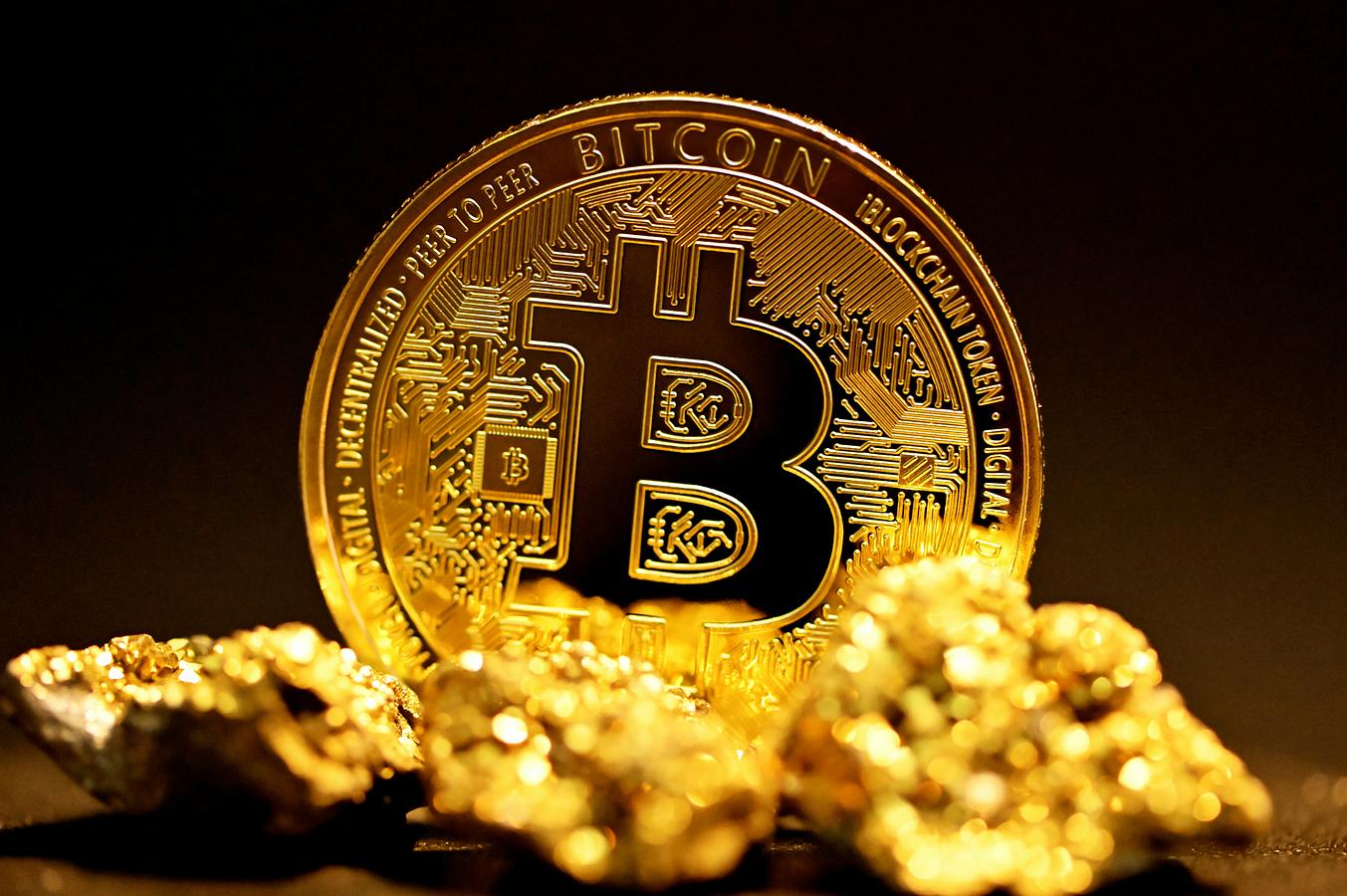
Bitcoin and Gold - Why the Digital Gold Narrative Is Maturing
Gold has preserved wealth for thousands of years. Bitcoin has existed for fifteen. Yet the comparison between them has moved from fringe internet forums to boardrooms, central bank discussions, and ETF prospectuses.
The digital gold narrative isn't new, but it's entering a different phase—one where institutional infrastructure, regulatory clarity, and market depth are catching up to the thesis. This article examines why Bitcoin earned the comparison, where it holds up, where it falls short, and what recent developments suggest about where the narrative goes from here.
What digital gold means in the Bitcoin context
Bitcoin earned the "digital gold" label because it shares gold's defining characteristic: scarcity that no government can manipulate. Only 21 million Bitcoin will ever exist, and that number is written directly into the code. Unlike gold, where estimates of remaining reserves shift with new discoveries, Bitcoin's total supply is mathematically fixed and publicly verifiable.
The term frames Bitcoin as a wealth preservation tool rather than a payment system. You can spend Bitcoin, of course, but the digital gold narrative emphasizes its potential to hold value over long periods—similar to how families have stored wealth in gold for generations.
This framing gave early advocates a way to explain Bitcoin to traditional investors without diving into cryptographic details. Instead of describing hash functions and distributed ledgers, they could point to concepts people already understood: limited supply, no middlemen, and independence from central banks.
Why Bitcoin is compared to gold
Both assets sit outside the traditional financial system. Neither Bitcoin nor gold depends on a government's promise or a bank's balance sheet to maintain value. For investors worried about currency debasement or institutional failure, that independence matters.
Several properties drive the comparison:
- Finite supply: Gold is limited by geology, Bitcoin by code
- No counterparty risk: Holding either asset directly means you don't rely on someone else to honor an obligation
- Global recognition: Both are valued across borders without requiring trust in any single nation
Early Bitcoin proponents cultivated this parallel deliberately. They recognized that calling Bitcoin "digital gold" gave skeptical investors a mental framework for understanding why something purely digital could hold lasting value. The comparison stuck because it captured something real about what Bitcoin offers.
Shared properties of Bitcoin and gold as stores of value
Scarcity and fixed supply
Gold's scarcity comes from geology—only so much exists in the earth's crust, and mining it takes significant resources. Bitcoin's scarcity is programmatic. A mechanism called "halving" cuts the rate of new Bitcoin creation roughly every four years, gradually approaching the 21 million cap.
What makes Bitcoin's scarcity unusual is its transparency. No one knows exactly how much gold remains undiscovered, but anyone with an internet connection can verify Bitcoin's total supply and current issuance rate. The rules are public and unchangeable.
Durability and permanence
Gold doesn't corrode or degrade. A bar from ancient Rome remains chemically identical today. Bitcoin achieves durability differently—the blockchain is copied across thousands of computers worldwide, making it extraordinarily difficult to destroy or alter. As long as the network operates, the record persists.
Divisibility and portability
Bitcoin holds a clear advantage here. One Bitcoin divides into 100 million smaller units called satoshis, allowing for precise transactions of any size. Moving Bitcoin across borders takes minutes and requires only an internet connection.
Gold, on the other hand, requires physical handling, secure transport, and storage. Dividing a gold bar means melting and recasting—not exactly practical for everyday transactions.
Independence from central authority
Neither asset can be printed or inflated by government decree. When central banks expand money supplies, holders of Bitcoin and gold expect their assets to maintain purchasing power relative to depreciating currencies. This independence sits at the heart of both assets' appeal.
Key differences between Bitcoin and gold
The comparison has limits. These assets differ in ways that matter for investment decisions.
Volatility and price behavior
Bitcoin's price moves far more dramatically than gold's. A 20% monthly swing in Bitcoin barely makes headlines, while the same movement in gold would be extraordinary. This volatility reflects Bitcoin's younger market, smaller total value, and still-evolving investor base.
Some investors view volatility as opportunity. Others see it as disqualifying Bitcoin from the "store of value" category—at least until the market matures further.
Verifiability and settlement speed
Verifying gold's authenticity requires physical testing or trusted intermediaries. Bitcoin verification happens instantly—anyone can confirm a transaction on the blockchain within seconds. Settlement follows in minutes, compared to days for physical gold transfers.
This speed difference becomes significant at scale. Moving large amounts of gold internationally involves logistics, insurance, and multiple parties. Moving large amounts of Bitcoin involves a few clicks and a small network fee.
Industrial utility and demand drivers
Gold enjoys demand from jewelry makers, electronics manufacturers, and dentistry. These industrial uses create a baseline of demand independent of investment interest.
Bitcoin has no industrial utility whatsoever. Its value comes entirely from its monetary properties and network effects. Some view this as a weakness. Others argue it makes Bitcoin a purer monetary asset, unburdened by competing demand sources.
Monetary track record
Gold has functioned as money for millennia across virtually every human civilization. Bitcoin has existed since 2009. This gap in track record represents the most common criticism of the digital gold thesis. Bitcoin simply hasn't proven itself over meaningful time horizons yet.
Fifteen years is a blink in monetary history. Gold's track record spans the rise and fall of empires.
Bitcoin as an inflation hedge and safe haven asset
The theoretical case for Bitcoin as an inflation hedge is straightforward: fixed supply versus expanding fiat money supplies. When central banks create more currency, each unit buys less. Assets with capped supplies, the argument goes, preserve purchasing power.
Real-world evidence remains mixed. Bitcoin has performed well during some inflationary periods and poorly during others. Its correlation with risk assets like technology stocks has at times undermined the safe haven narrative entirely.
A "safe haven asset" typically retains or gains value during market stress—think of gold rising during financial crises when stocks fall. Bitcoin's behavior during stress events has been less consistent. During the market turmoil of early 2020, for example, Bitcoin initially dropped alongside equities before recovering. Whether this pattern changes as the market matures remains an open question.
Evidence the digital gold narrative is maturing
Several recent developments suggest the Bitcoin-as-gold thesis is gaining institutional credibility.
Spot Bitcoin ETF inflows
The approval of spot Bitcoin exchange-traded funds in major markets opened access to traditional investors and wealth managers. An ETF—essentially a fund that trades like a stock—allows investors to gain Bitcoin exposure through familiar brokerage accounts without managing private keys or navigating crypto exchanges.
Significant capital flowed into these products following approval, signaling demand from investors who previously found direct Bitcoin ownership too operationally complex.
Corporate treasury adoption
Publicly traded companies now hold Bitcoin as a reserve asset on their balance sheets. When CFOs and boards—typically conservative about treasury management—allocate to Bitcoin, it signals a shift in perception. These aren't speculative bets; they're deliberate decisions to hold Bitcoin alongside cash and bonds.
Sovereign and central bank interest
Government-level discussions about Bitcoin reserves have emerged in several countries. Widespread central bank adoption remains distant, but the conversation itself marks a change. A few years ago, central bankers dismissed Bitcoin outright. Now some are evaluating it seriously, even if most remain skeptical.
Declining volatility and deepening liquidity
As Bitcoin's market has grown, volatility has generally moderated. Deeper liquidity means large trades move prices less dramatically. A market where billion-dollar positions can be established without significant price impact looks more like gold's market than the early days of crypto trading.
Limitations of the Bitcoin digital gold thesis
A balanced view requires acknowledging legitimate criticisms:
- Regulatory uncertainty: Government policy could restrict access, taxation, or usage in ways that impair value
- Energy consumption: Bitcoin mining requires substantial electricity, drawing environmental criticism that may influence future regulation
- No physical backing: Unlike gold, Bitcoin cannot be worn, used industrially, or held in your hand
- Adoption risk: Network value depends on continued participation—a risk gold doesn't face after thousands of years of acceptance
None of these criticisms are necessarily fatal to the digital gold thesis, but they represent real considerations for investors weighing Bitcoin against traditional alternatives.
Portfolio allocation considerations for Bitcoin and gold
Institutional investors increasingly evaluate Bitcoin alongside gold rather than as a replacement. The two assets may serve complementary roles—gold providing stability and millennia of track record, Bitcoin offering higher growth potential and digital-native properties.
Correlation between Bitcoin and gold varies over time. During some periods they move together; during others they diverge based on crypto-specific dynamics. This inconsistent correlation actually supports the diversification case for holding both, since assets that don't move in lockstep reduce overall portfolio volatility.
The question for many allocators isn't "Bitcoin or gold?" but rather "what percentage of each?" That framing itself represents a maturation of the digital gold narrative.
Accessing Bitcoin as digital gold with institutional infrastructure
Professional investors require more than a retail exchange account to gain meaningful Bitcoin exposure. Secure custody, deep liquidity, regulatory compliance, and insurance coverage all matter when allocating significant capital.
MHC Digital Group provides institutional-grade infrastructure for investors seeking digital asset exposure. Our OTC trading desk offers deep liquidity and fast settlement, while our compliant, insured custody solutions address the operational concerns that have historically kept institutions on the sidelines.
Enquire now to access institutional-grade digital asset servicesFrequently asked questions about Bitcoin as digital gold
What did Warren Buffett say about Bitcoin as digital gold?
Warren Buffett has publicly rejected Bitcoin as an investment, arguing it produces nothing and has no intrinsic value. Interestingly, his criticism applies equally to gold, which he has also historically avoided in favor of productive assets like businesses and farmland.
Is Bitcoin a better inflation hedge than gold?
The evidence remains inconclusive. Bitcoin's fixed supply provides theoretical inflation protection, but its short track record and higher volatility make direct comparisons difficult. Some investors hold both assets precisely because neither has proven definitively superior.
Can Bitcoin replace gold in central bank reserves?
Widespread central bank Bitcoin adoption appears unlikely in the near term. Most central banks favor gold due to its established role, lower volatility, and absence of technological risk. A few nations have begun exploring Bitcoin holdings on a limited basis, but these remain exceptions rather than trends.
How correlated are Bitcoin and gold prices?
Correlation between Bitcoin and gold fluctuates significantly. The two assets sometimes move together during macroeconomic uncertainty and other times diverge based on crypto-specific factors. This variable correlation supports holding both for diversification purposes, though it also means Bitcoin doesn't reliably behave like gold during any given period.